
Online

Building and Engineer Technician (ANZSCO 312999) may be a powerful avenue, if you are intending to migrate to Australia or pursue your technical career in the area of construction, infrastructure, or engineering support services. This is a profession that is registered by VETASSESS, the official institution that evaluates qualifications to work experience in some occupations in Australia in the skilled migration scheme.
You should be aware of the job, duties, qualifications, evaluation needs, capabilities, career growth, earnings perspective, and migration opportunities. In the case of migration or career development, this resource will guide you to get to know the occupation in detail.

The Building and Engineer Technician job falls under the Engineering and Building Technician ANZSCO unit group. The professionals who work under this category are needed to serve engineers, architects, and construction managers to offer technical assistance in the design, planning, testing, and implementation of both the building and engineering projects.
This profession is commonly applied to applicants whose job descriptions are not aligned with particular titles of technician listed within the engineering field, but who perform engineering technical support tasks that are closely aligned. It serves as an umbrella term for similar technical jobs.

Although the roles will differ according to the employer and industry, a Building and Engineer Technician normally does the following activities:
The position demands a good combination of technical skills, analytical attitude, and communication abilities. Technicians may represent the interface between the engineers and on-site workers, as well as make sure that plans are followed exactly.
In order to work successfully, the representative of this profession must have a harmonious combination of technical and non-technical abilities.
Technicians in Australia are greatly valued by employers because they are capable of possessing both theory and hands-on skills.
To be used in migration assessment purposes, VETASSESS typically needs:
Still, applicants whose qualifications are lower will have a chance to be eligible, although it tends to require years of work experience to offset.
VETASSESS does not only consider the title of the job but also the real job responsibilities. Your employment must:
Commonly acceptable job histories are:
You must have demonstrated in your experience that you have been carrying out substantial responsibilities as opposed to administrative or clerical responsibilities.
There is a demand of this occupation in various sectors, particularly in emerging infrastructure economies such as Australia. Common industries include:
Major infrastructure projects as well as urban development projects are still causing the demand of skilled technical professionals.
To use the migration pathways based on the skilled visa programs in Australia, a successful skills assessment is a requirement. Most of the skilled migration visa applications cannot be made without a positive assessment.
Your evaluation result validates the fact that:
The necessary criteria to apply to the assessment under ANZSCO 312999 are:
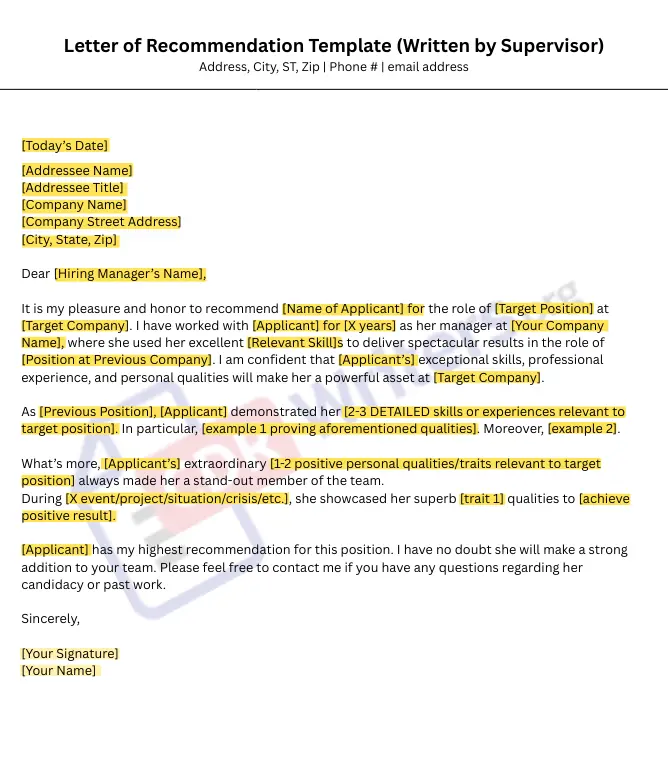
Reference letters are of specific interest. They should specify clearly your responsibilities, work, tools to be used, projects to be undertaken and time of employment.

An excellent employment reference must:
The responsibilities should be in close connection with those of Building and Engineer Technician occupation. Reproduction of generic or vague references is one of the issues that leads to rejection or delays in assessment.
There are a lot of applicants who mix engineers with technicians. It is important to comprehend the difference:
Engineer | Technician |
Designs systems | Assists with implementation |
Requires bachelor’s degree or higher | Usually diploma or associate degree |
Focuses on theory and analysis | Focuses on practical application |
Responsible for project approval | Responsible for technical support |
When you are mainly needed to help the engineers and not to design on your own, then you are probably falling in the technician category.
The pay is different based on the experience, location, and industry. On average:
Big cities such as Sydney, Melbourne and Perth tend to pay better pay rates because of infrastructure demand.
The Building and Engineer Technician may proceed to the position of:
There are also professionals that continue their education to graduate into full engineering.
Infrastructure development in Australia is still presenting technical expertise to opportunities. Demand driving factors are:
Since the livelihood of engineers depends on technicians when applying designs, this profession is still important in the success of project.
Applications can be turned down on the basis of:
Proper documentation and compliance with occupational requirements are another important step towards enhancing success.
In order to increase approval opportunities:
It might be a good idea to have professional assistance and guidance to applicants who do not understand the documentation requirements.
Your professional profile is well-organised to enable assessors to know your technical aptitude. Your CV should:
There are also credibility supports that can be done through platforms such as LinkedIn when experience matches with documentation sent.
An example of an acceptable task description is as follows to explain how duties are supposed to be written:
These examples demonstrate technical involvement rather than administrative support.
This profession type suits best those professionals who:
In case you have a different job title but your responsibilities are the same, you can also be eligible.


CDR reports, resumes, VETASSESS, and RPL applications can be challenging to prepare. Our team of professionals has effectively helped clients obtain approval with professional services that address all of these needs.
As an occupation, the Building and Engineer Technician (ANZSCO 312999) has good prospects to provide employed professionals with career advancement or migration to Australia. It is an achievable and enjoyable career with a high demand in numerous industries, good wages, and well-defined promotion opportunities.
Nonetheless, the chances to succeed are very high when a good application is filed on skills assessment, along with correct documentation and aligned evidence of employment. Knowledge of assessment requirements, elaboration of references and presenting your experience in a professional manner can make a huge difference.
The profession is a secure career exist to both the potential migrant and the technical professional due to industry demand, technology improvement, and long-term infrastructure development.
Get a free consultation today. Our engineers will assess your profile and tell you exactly what you need — at no cost, no commitment.

Expert CDR, ACS, and VETASSESS assessment writing service. 5,600+ documents written. 99% approval rate. Serving professionals from 65+ countries migrating to Australia. Free consultation available.
Disclaimer:
CDR Writers is an independent document preparation service. Not affiliated with EA, ACS, VETASSESS, IML, or any official authority.
Sun-Fri · 24 Hours a Day
Copyright © 2020 – 2026 CDR Writers
99% Success | Trusted in 65+ Countries | 4.9/5 Rated | 100% Secure Payments
