
Online

In case you are intending to migrate as an Architectural Draftsperson to Australia, it is important to have an insight into the skills assessment procedure. The occupation falls in the category of professional occupations as determined by VETASSESS, a body that determines qualification and work experience in a multitude of non-trade occupations. The positive assessment is a frequent condition towards skilled migration via the Department of Home Affairs, Australian Government.
An Architectural Draftsperson refers to a technical graduate in charge of drawing, planning, and technical reports that are applied in designing and constructing buildings and structures. They render architectural ideas into accurate technical drawings upon which engineers, builders, and contractors can use to undertake projects with the right specifications.
These experts collaborate with architects, engineers, designers, and construction units to ensure that the building plans are within design requirements, regulatory and safety requirements. Their contribution is essential in bringing conceptual ideas to reality.

Occupation Title: Architectural Draftsperson
ANZSCO Code: 312111
Assessment of Authority: VETASSESS
Skill Level: 2 (usually needs AQF Diploma or higher)
These roles and duties of an Architectural Draftsperson are dependent on the scope, employer, and specialisation of the project, although they generally consist of:
The draftsperson is a skilled person who makes sure that drawings are technically correct, clear and can be understood and are within the construction standards.
In order to become a successful Architectural Draftsperson, applicants are required to have both technical and soft skills. These are also competencies which are measured in the skills assessment process.
The applicants should have academic and professional experience requirements to receive a positive VETASSESS result as an Architectural Draftsperson.
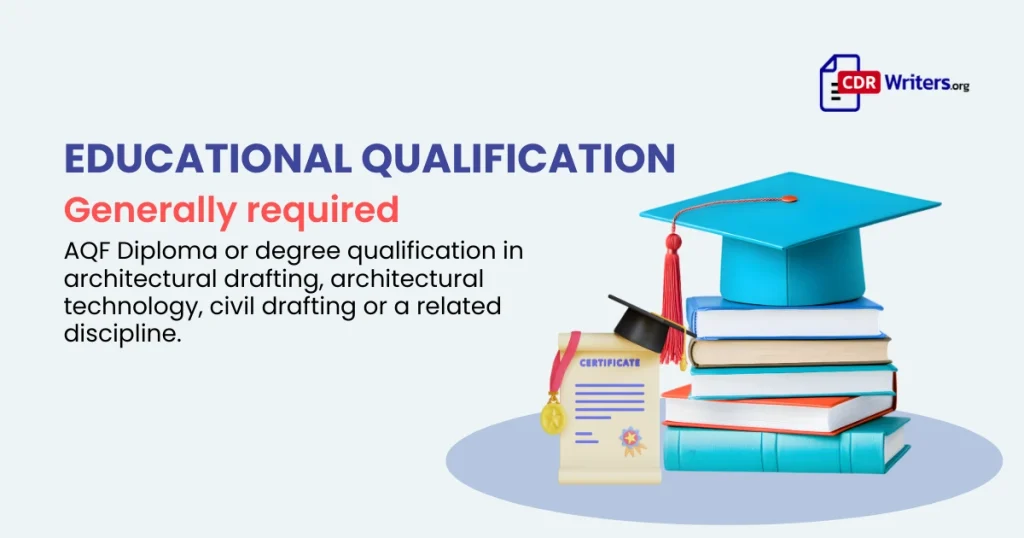
You should be qualified at a level similar to that of the Australians. In the case you completed a course in a related field, VETASSESS will assess you on whether the course adequately matches the occupation nominated.
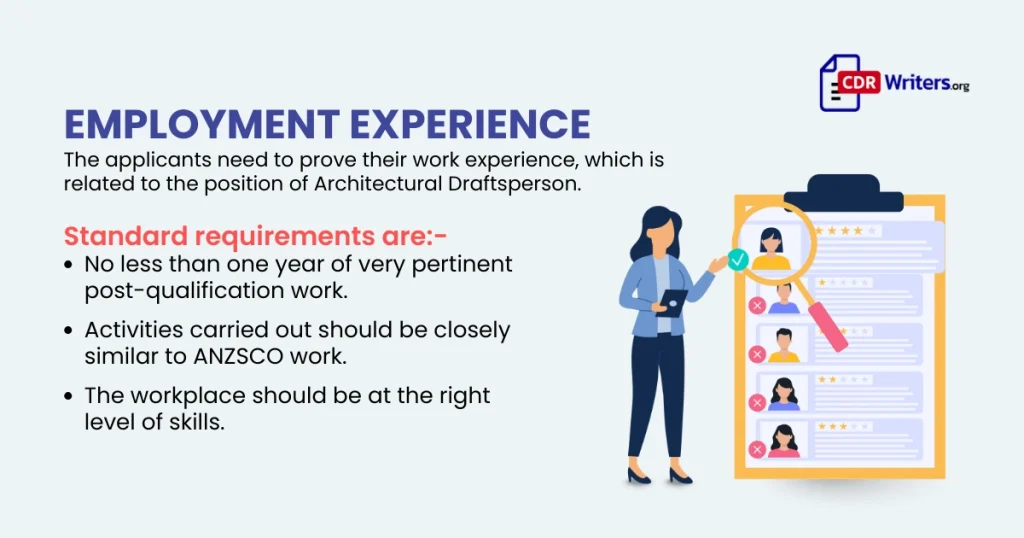
In the case of a non-related qualification, more years of experience might be compensated.
According to VETASSESS, highly relevant experience is that work that:
The roles that can be discussed as relevant include:
In order to file an effective application, you should come up with correct and verifiable documents. One of the most frequent causes of negative outcomes or delays is the lack of or missing documents.

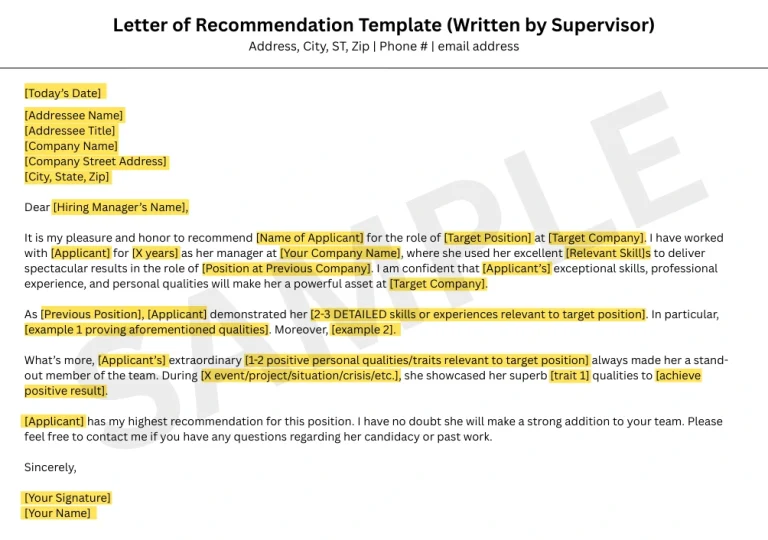
All employment reference letters must include:

Since VETASSESS will pay significant attention to employment documents, reference letters should be:
Do not use any generic letters that are used to verify the dates of employment alone. Rather, show step-by-step descriptions of tasks that show that you have the professional aptitude as an Architectural Draftsperson.
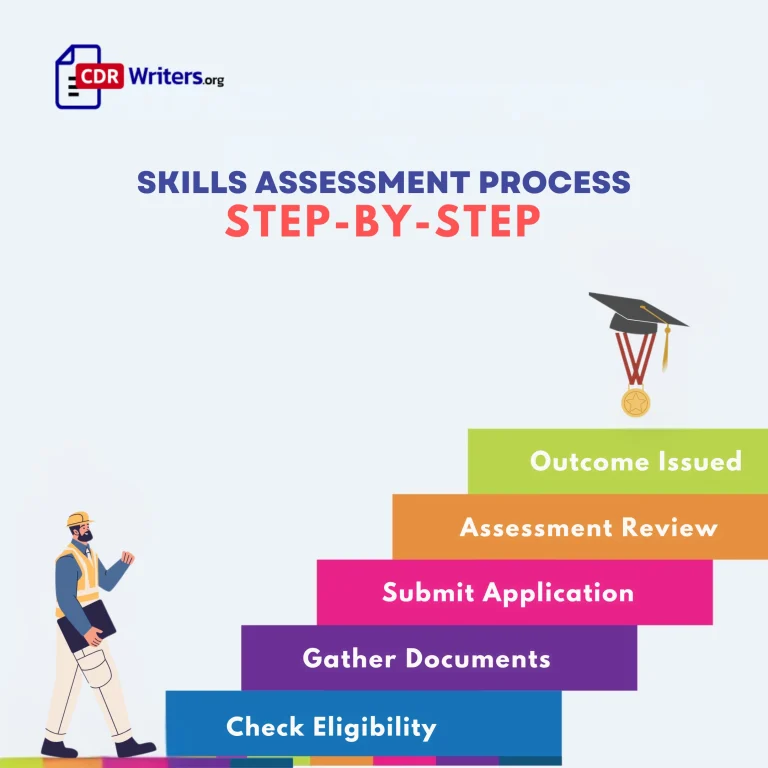
The comprehension of the evaluation process can assist in strategising.
Step 1: Check Eligibility
Ensure that your occupation is recorded and you qualify and have the required experience as required.
Step 2: Gather Documents
Prepare educational and work materials.
Step 3: Submit Application
Make a payment through VETASSESS by applying online.
Step 4: Assessment Review
Assessors confirm qualification and working experience.
Step 5: Outcome Issued
Either you get a negative or a positive answer.
The average time taken to process is between:
The time frame of the processing can be longer or shorter in the case of document check and application fulfilment.
Avoidable mistakes are known to cause many applications to be rejected. Common issues include:
You can be quite successful in preparing your application.
These are professional tips to improve your profile:
Match Duties Carefully
Meet your official occupation descriptions with job duties.
Provide Strong Evidence
Provide supporting materials, like work samples or project portfolios.
Use Clear Job Titles
Do not use general titles that do not represent drafting duties.
Ensure Document Consistency
The dates, names and positions should be similar in all the documents.
Highlight Technical Expertise
Refer to software expertise, drafting software, and design software.
The demand for architectural draftspersons has been high in different sectors in Australia because of the current developments in the infrastructure and construction projects. Job opportunities are available in:
Professionals can grow up to the following positions based on experience:
Wages are dependent on experience, geographical location, and company. The average salary rates in Australia are:
Experience Level | Average Salary(AUD) |
Entry Level | $60,000 – $70,000 |
Mid Level | $70,000 – $90,000 |
Senior Level | $90,000 – $110,000+ |
Software specialists and project managers are highly skilled and thus attract higher salaries.
Precision is a very important aspect in the modern construction setting. Even minor drafting mistakes will cause expensive delays or defects. Architectural Draftspersons are critical in:
Successful architectural projects are based on their work.
The skills assessment process is more complex than many applicants believe it to be. This professional guidance may assist you in:
Professional assistance will help you to make your application official and bring out the best in your skills.
At cdrwriters.org, we have specialised in helping qualified professionals to be successful in their migration assessments. The services of Architectural Draftsperson applicants include:
Our team of professionals is aware of assessment criteria and makes sure your application is ready as per the official requirements.


CDR reports, resumes, VETASSESS, and RPL applications can be challenging to prepare. Our team of professionals has effectively helped clients obtain approval with professional services that address all of these needs.
Migration applications as an Architectural Draftsperson need to be properly planned, documented, and the values of assessment understood. The fact that VETASSESS measures both qualifications and employment relevance means that it is necessary to present the evidence of high quality.
Through the appropriate approach and expert advice, you can be safe to sail through the process of skills assessment and closer towards realization of your migration objectives.
Get a free consultation today. Our engineers will assess your profile and tell you exactly what you need — at no cost, no commitment.

Expert CDR, ACS, and VETASSESS assessment writing service. 5,600+ documents written. 99% approval rate. Serving professionals from 65+ countries migrating to Australia. Free consultation available.
Disclaimer:
CDR Writers is an independent document preparation service. Not affiliated with EA, ACS, VETASSESS, IML, or any official authority.
Sun-Fri · 24 Hours a Day
Copyright © 2020 – 2026 CDR Writers
99% Success | Trusted in 65+ Countries | 4.9/5 Rated | 100% Secure Payments
