
Online

One of the key stages in the immigration process is to submit an application for a migration skills assessment. Whether you are an engineer, ICT professional, accountant, nurse, or trade professional, your skills assessment is used to establish whether the skills and experience you have are to the standard required by the assessing authority. Sadly, a lot of candidates do not realize the intricacies of this process. Professional staff can even be trapped with delays, further documentation requests, or even with negative results as a result of avoidable errors. Knowing the frequently made Skills Assessment Mistakes will save you time, money, and will improve your chances of success.
A skills assessment is much more than submitting your educational certificates and employment documents. A detailed assessment is carried out by an accredited assessing organisation to identify the match between your qualifications and your work experience with the occupational requirements of your nominated profession.
Eligibility and document requirements, as well as assessment processes, vary by each assessing authority. Failure to meet a single requirement will have an adverse impact on an application.
That’s why it’s important to prepare your application thoroughly before you submit it.
Many experts think that this process is easy because they have years of work experience. But migration officials check one’s documentation, not assume.
Typical errors that applicants make are:
Now let’s take a closer look at each of these issues.
Choosing an occupation that isn’t appropriate for your educational and work background is among the most serious Skills Assessment Mistakes.
For many applicants, the job they’re looking for is based on either the demand of an occupation or the migration of an occupation rather than what they will actually be doing in their job.
Why This Is a Problem
Your application might be unsuccessful if these do not match your nominated occupation.
How to Avoid It
Before applying:
Documentation is important for all skills assessments.
Without one of the required documents, your assessment or application may be delayed or rejected.
Typical missing documents are:
The number of applications submitted where minor omissions are ignored by the assessor is quite high. Sadly, this is not often the case.
Best Practice
Be sure to develop a comprehensive checklist prior to submitting your papers to be sure all required documents are enclosed.
One of the most closely assessed documents when conducting a skills assessment is the employment reference letter.
Sadly, a lot of employers have issued general certificates containing only the words:
Not specifying specific duties.
This is a huge issue because authorities who assess you are not assessing your designation, but your role.
A Strong Reference Letter Should Include
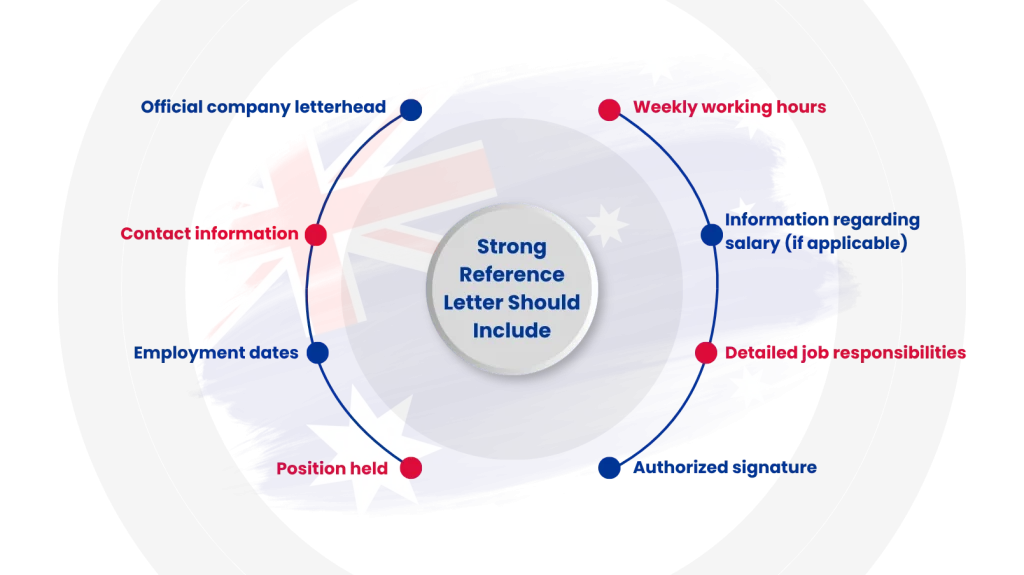
The tasks described should be representative of the experiences you’d have while doing this job.
Another typical problem is inconsistency between the documents.
For example:
Each document you submit is compared to other documents submitted to the assessors, and they do so carefully.
If there are inconsistencies, they will ask questions or refuse the evidence.
Tip
Carefully check all documents before submission to ensure consistency throughout all documents.
Documentation requirements vary between the different assessing authorities.
A lot of applicants are making the error of using a “one size fits all” method.
For instance, one authority might require:
Another may require:
Failure to follow these instructions can cause needless delays.
Always use the most up-to-date official guidelines for your assessing authority.
A common error that is made by engineering applicants when making their competency reports is to copy and paste the Career Episode from another candidate.
Areas that are accessible to assessors are easy to identify:
Your Career Episodes should show the personal engineering projects that you have worked on and the personal skills that you have developed.
Authenticity is essential.
You do not need to tell what your business does on your job application; it should tell what you did.
Weak descriptions: Statements like:
They are too general and too broad.
Rather, offer specific and targeted accountability instead.
Example:
Specific descriptions really enhance your application.
There are so many applicants who submit outdated:
Legacy data leads to mismatches, which can lead to more documents being requested.
Before submission:
Employment gaps aren’t necessarily problematic.
But if they are not explained, sometimes it raises more than necessary questions.
If you had career breaks due to:
Submit suitable supporting documents, as required.
It’s always better to be transparent than to leave gaps.
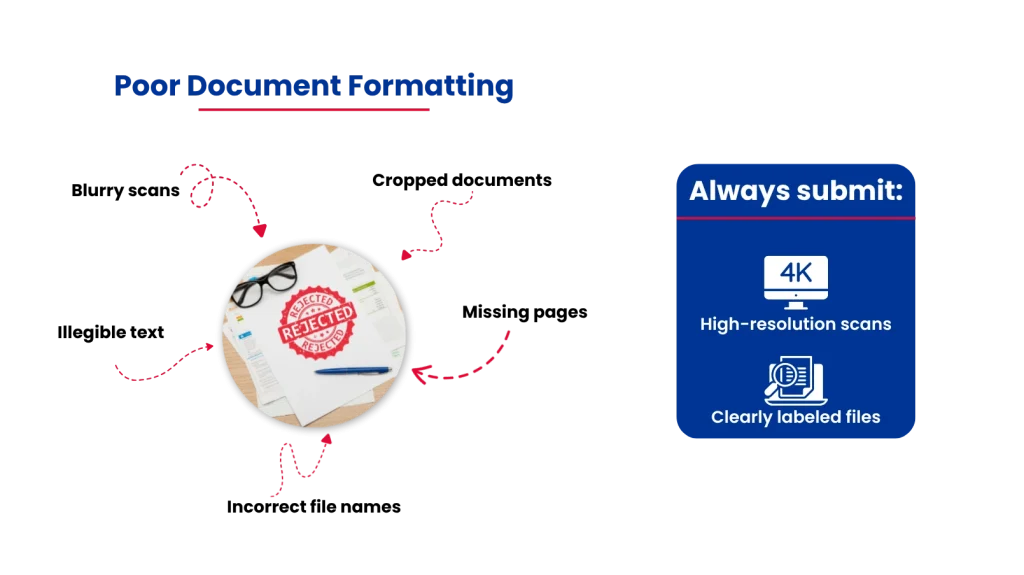
Applicants don’t realize that presentation is so important.
The following are typical formatting problems you may have:
Attention to detail is demonstrated in a professional presentation.
Always submit:
A lot of experts start developing their skills evaluation only after they have made the decision to migrate.
This only puts undue stress.
Taking time to obtain employment documents from former employers can take weeks, or even months.
Some business organisations might have:
With proper preparation, enough time can be allotted for proper documentation.
Some applicants think that they don’t need to do anything special for assessment because they have a degree.
However, assessors evaluate:
When educational records do not contain all of the information, or information is missing or inconsistent, further documentation may be needed.
Make sure that your transcript accurately shows what you have learned.
Some occupations may need further qualifications or registration.
Examples include:
Failure to comply with these requirements may have a negative impact on the application.
Always check if there are additional qualifications needed for your nominated occupation.
One of the biggest Skills Assessment Errors is incorrect information.
Examples include:
The assessment authorities carry out comprehensive checks.
Submitting false information can lead to:
Give accurate and substantiated details.
Many of the applicants prefer to make all things on their own.
This might be suitable for simple cases, but for more complex applications, it may be necessary to consult a professional.
The professionals can assist in:
An expert consultant knows the current assessment standards and helps to reduce unnecessary mistakes.
Here are some best practices that you should follow to have a successful outcome:
Don’t leave it to the last minute, and avoid any last-minute hassles by having your paperwork ready.
Each assessing authority will have a different set of documentation needs.
Maintain copies of:
Ensure consistency in:
Don’t overestimate skills or experience.
It is helpful to have an experienced eye examine your application before you submit it to ensure that there are no potential problems.


CDR reports, resumes, VETASSESS, and RPL applications can be challenging to prepare. Our team of professionals has effectively helped clients obtain approval with professional services that address all of these needs.
An application that is well-prepared has a number of benefits:
Taking time to get it right now could save a huge amount of time later on.
Making a successful Migration skills assessment is far from a simple task; it involves more than gathering certificates and employment letters. Each document must demonstrate your education, work experience, and professional competency accurately and meet the requirements of the assessing authority relevant to your documents.
You can avoid common Skills Assessment Mistakes that can greatly enhance your odds for a positive result of your assessment. Applications are successful when they are carefully planned, accurately documented, consistent, and based on attention to detail.
When in doubt about any portion of the assessment process, it’s smart to find professional advice to help you through the complex needs without issue. With a well-prepared application, you can not only save time, but you can also move a step closer to achieving your migration objectives.
Get a free consultation today. Our engineers will assess your profile and tell you exactly what you need — at no cost, no commitment.
Expert CDR, ACS, and VETASSESS assessment writing service. 5,600+ documents written. 99% approval rate. Serving professionals from 65+ countries migrating to Australia. Free consultation available.
Disclaimer:
CDR Writers is an independent document preparation service. Not affiliated with EA, ACS, VETASSESS, IML, or any official authority.
Sun-Fri · 24 Hours a Day
Copyright © 2020 – 2026 CDR Writers
99% Success | Trusted in 65+ Countries | 4.9/5 Rated | 100% Secure Payments
